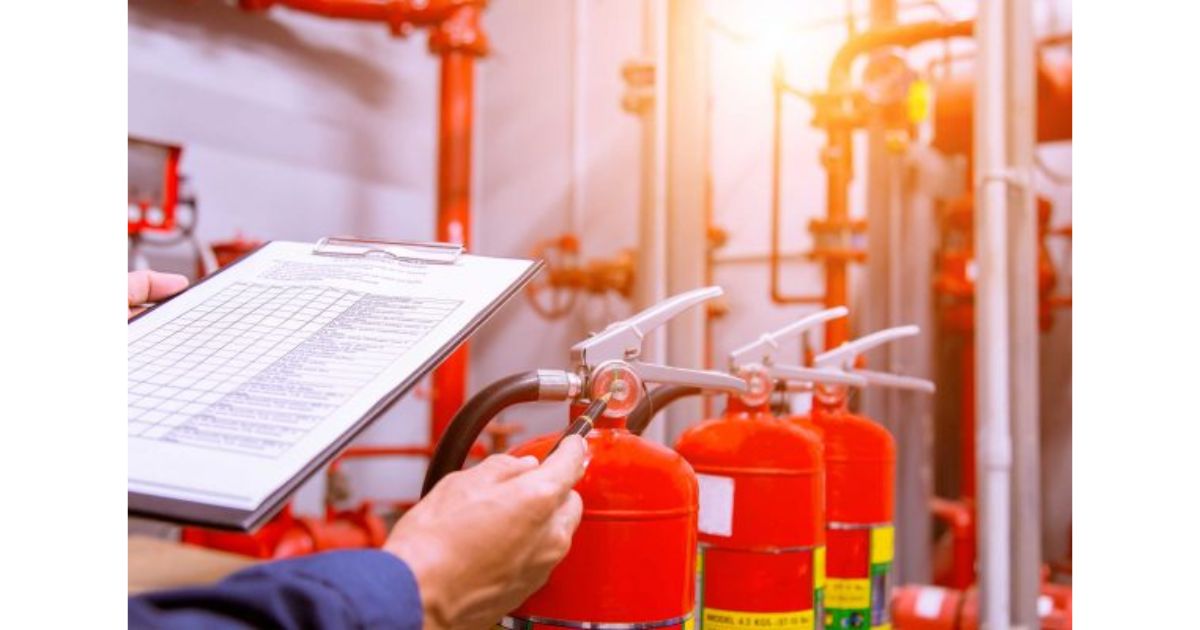
Why Bảo trì hệ thống PCCC is Essential for Industrial Safety Standards
Introduction
Industrial environments are among the most high-risk workplaces when it comes to fire hazards. Factories, warehouses, manufacturing plants, and processing facilities often contain flammable materials, heavy machinery, high-voltage equipment, and continuous production processes. In such settings, even a small fire incident can escalate into a major disaster within minutes.
This is why Bảo trì hệ thống PCCC (fire protection system maintenance) plays a critical role in maintaining industrial safety standards. It ensures that fire detection and suppression systems are always ready to function effectively, reducing risks to workers, equipment, and infrastructure.
In this article, we will explore why regular maintenance of fire protection systems is essential in industrial environments and how it supports compliance, safety, and operational stability.
Understanding Bảo trì hệ thống PCCC in Industrial Context
Bảo trì hệ thống PCCC refers to the continuous inspection, testing, servicing, and upgrading of fire protection systems installed in a facility. In industrial environments, these systems are more complex than those in residential or commercial buildings due to higher risks and larger operational scales.
Industrial fire protection systems typically include:
- Fire alarm and detection systems
- Automatic sprinkler systems
- Gas suppression systems
- Fire hydrants and hose reels
- Emergency shutdown systems
- Smoke control and ventilation systems
Regular maintenance ensures that all these components function in harmony during an emergency situation.
Importance of Fire Safety in Industrial Environments
High Fire Risk Conditions
Industrial facilities often handle:
- Highly flammable chemicals
- Combustible dust
- High-temperature machinery
- Electrical equipment operating continuously
- Large-scale storage of raw materials
These conditions significantly increase the likelihood of fire incidents. Without proper Bảo trì hệ thống PCCC, even a minor malfunction can lead to catastrophic outcomes.
Large-Scale Impact of Fire Incidents
Unlike small buildings, industrial fires can:
- Spread rapidly across large production areas
- Destroy expensive machinery and raw materials
- Halt entire production lines
- Cause environmental damage due to chemical leakage
- Result in severe injuries or fatalities
This makes fire safety systems a core part of industrial risk management strategies.
Why Regular Bảo trì hệ thống PCCC is Essential
1. Ensuring Worker Safety
The most important objective of any industrial safety standard is protecting human life. Properly maintained fire protection systems provide early warning signals and rapid suppression, allowing workers to evacuate safely.
If systems are not maintained, alarms may fail or sprinklers may not activate, putting hundreds of workers at risk in large facilities.
2. Preventing Production Downtime
Industrial operations depend heavily on continuous production. A fire incident can halt operations for days, weeks, or even months.
Regular Bảo trì hệ thống PCCC reduces the risk of unexpected breakdowns in fire systems, ensuring that production continues smoothly without interruption caused by safety failures.
3. Protecting Machinery and Infrastructure
Industrial machinery is often extremely expensive and difficult to replace. Fires can destroy:
- Production machines
- Electrical control systems
- Storage warehouses
- Raw materials and finished goods
Proper maintenance ensures early fire detection and suppression, minimizing damage and financial loss.
4. Compliance with Industrial Safety Standards
Industrial facilities must follow strict fire safety regulations and standards. Regular Bảo trì hệ thống PCCC ensures compliance with:
- Workplace safety laws
- Fire prevention regulations
- Insurance requirements
- Industry-specific safety codes
Failure to comply can lead to penalties, shutdowns, or legal consequences.
5. Reducing Environmental Hazards
Industrial fires often release toxic gases and hazardous chemicals into the environment. This can harm nearby communities and ecosystems.
Well-maintained fire protection systems help control fires early, reducing the release of harmful substances and minimizing environmental damage.
Key Components That Require Regular Maintenance
Fire Detection Systems
Smoke and heat detectors must be regularly tested to ensure accurate detection. Dust, humidity, and industrial pollutants can reduce sensitivity over time.
Sprinkler and Water-Based Systems
Sprinklers are essential for controlling fire spread. Maintenance includes:
- Checking water pressure
- Inspecting pipes for leaks or corrosion
- Ensuring no blockages in sprinkler heads
Gas Suppression Systems
In industries with sensitive equipment, gas suppression systems are used instead of water. These systems require precise calibration to ensure effective operation.
Fire Alarm Control Panels
Control panels act as the brain of the fire system. Regular inspection ensures:
- Proper signal transmission
- Battery backup functionality
- System integration with alarms and sensors
Emergency Shutdown Systems
Industrial systems often require automatic shutdown during fire emergencies. Maintenance ensures that machinery stops immediately when a fire is detected, preventing escalation.
Risks of Poor Maintenance in Industrial Facilities
Ignoring Bảo trì hệ thống PCCC can lead to severe consequences such as:
- Delayed fire detection
- Failure of sprinkler activation
- Rapid fire spread across production areas
- Massive financial losses
- Serious injuries or loss of life
- Long-term business shutdowns
In many industrial fire investigations, system failure due to poor maintenance is identified as a major contributing factor.
Benefits of Regular Maintenance for Industrial Safety
Enhanced Operational Reliability
Well-maintained systems ensure that fire protection mechanisms are always ready to respond, improving overall operational stability.
Cost Efficiency
While maintenance requires regular investment, it significantly reduces the risk of expensive fire damage and equipment replacement costs.
Improved Workplace Safety Culture
Regular Bảo trì hệ thống PCCC encourages a safety-first mindset among employees, promoting responsible behavior and awareness of fire risks.
Longer Equipment Lifespan
Proper maintenance extends the life of fire protection systems, reducing the need for frequent replacements and upgrades.
Best Practices for Industrial Fire System Maintenance
To maintain high industrial safety standards, companies should adopt the following practices:
- Conduct scheduled inspections (weekly, monthly, quarterly, annually)
- Train employees on fire safety protocols
- Maintain detailed maintenance records
- Test alarm and suppression systems regularly
- Replace faulty components immediately
- Use certified technicians for all maintenance work
- Conduct emergency drills to ensure system effectiveness
These practices help ensure that fire protection systems remain fully operational under all conditions.
Role of Professional Maintenance Teams
Industrial fire protection systems are complex and require specialized expertise. Professional maintenance teams are trained to:
- Diagnose hidden system faults
- Calibrate sensitive detection equipment
- Ensure compliance with safety standards
- Perform advanced system testing
- Provide preventive maintenance strategies
Their expertise ensures that Bảo trì hệ thống PCCC is performed correctly, reducing risks and improving system reliability.
Conclusion
In industrial environments, fire safety is not optional—it is a critical requirement for protecting people, assets, and operations. Bảo trì hệ thống PCCC plays a central role in maintaining industrial safety standards by ensuring that fire protection systems remain fully functional at all times.
From preventing catastrophic losses to ensuring regulatory compliance and protecting workers, regular maintenance is a fundamental part of industrial risk management. Without it, even the most advanced fire protection systems can fail when they are needed most.
Ultimately, investing in consistent and professional Bảo trì hệ thống PCCC is one of the most effective ways for industries to maintain safety, stability, and long-term operational success.
